Across the country, Michigan Law alumni who work as public defenders and practice indigent defense provide vital legal service to those who need it most. Here, Law Quadrangle shares some of their stories.

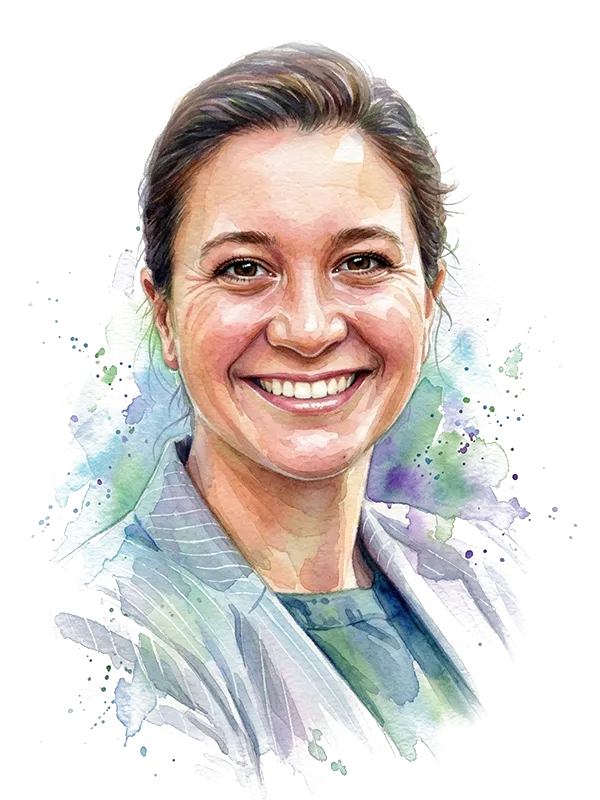
Ashlyn Angell, ’19, Assistant federal defender, Western District of North Carolina, capital habeas unit for the Fourth Circuit Court of Appeals
Working as a capital habeas lawyer is challenging for a few reasons. The first that comes to mind is the length and complexity of our client relationships. Capital habeas lawyers typically enter the picture years after a client’s trial and appeal have concluded, and after the shock of their situation has waned. A lot of work goes into building a relationship with clients who feel let down by their previous attorneys. These relationships require patience, consistency, and grace both to navigate the large record and to grapple with previous dynamics. The relationship is a crucial precursor to the broader tasks of the job, which include litigating the constitutionality of your client’s conviction and sentence, challenging the legality of the state’s execution method, and advocating for compassion at clemency.
Another challenge with death penalty post-conviction cases is the daunting size and scope of the task. These cases require counsel to develop an understanding not only of what happened in the trial, sentencing, appeal, and any precursor post-conviction proceedings below, but also of what should have happened but didn’t. It requires deep investigation of the unexplored areas of a client’s life, and of the work and lives of those who touched their case along the way.
I became a public defender because I believe a system that values pain and punishment above all else in the name of "justice" misses the incredible capacity we have as humans to atone, repair, and heal, and because such a system blinds itself to the harm it doles out on the family and community of the person it punishes. I am honored to be one of many defenders who help the courts, the jury, and the public see the whole person behind the word defendant. It is the only harm-reduction and dignity-affirming mechanism we have.
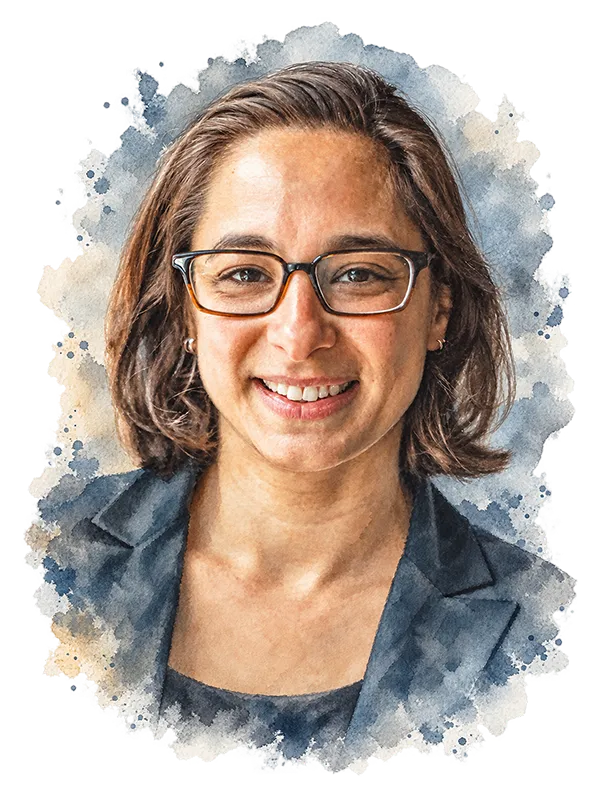
Kristina Saleh, ’10, Founding attorney and director of strategic initiatives, Still She Rises
I started my career as a public defender at the Bronx Defenders before founding Still She Rises in 2016. We are a completely pro bono firm that offers free legal representation to North Tulsa mothers facing attacks on their freedom or family unity.
The mothers we represent are blamed for their poverty as a moral failing. Their behavior as survivors of domestic violence is scrutinized and compared to an imaginary perfect victim. Their conduct as women who stand up for themselves is labeled as aggressive. Our use of a holistic defense model is crucial because our clients’ priorities are often self-sacrificial and complex.
The joy of this work for me has been in diving into the complexity of those issues and developing innovative and effective ways of working as a team to defend our clients.
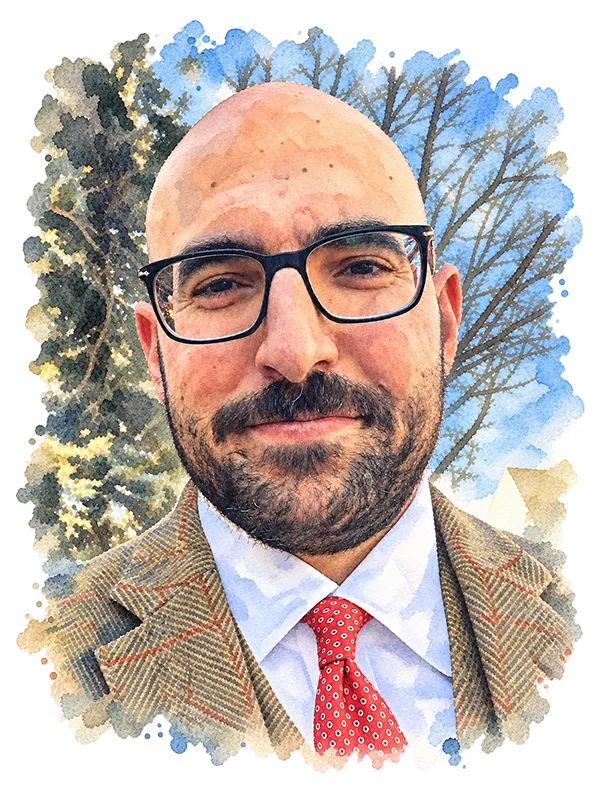
Brian Pomerantz, ’00, Capital habeas attorney, Law Offices of Brian M. Pomerantz
In Oakland, California, the district attorney’s office spent more than three decades striking Black and Jewish jurors from capital cases. Attorneys first raised the claim in 2003, but a massive cover-up buried it until 2024, when I obtained proof. With the help of a federal judge who had fidelity to the Constitution, over the next year we saw 20 men get off of death row, with five going home.
I had represented one of the five for 11 years and another for two years, and was lucky enough to be appointed as co-settlement counsel for many of the others. I spent more than a decade banging my head against a brick wall before the wall broke. I knew there was a conspiracy—lots of people did—but it took more than two decades of persistence to unearth it enough to inspire action.
I wear the Block M with pride. We were Clarence Darrow’s law school, and now we have MDefenders (started by Professor Eve Brensike Primus, who was in the criminal clinic with me in law school). At a time when most top 14 law schools push their students toward firms, Michigan has a comprehensive push toward indigent defense. That is uniquely amazing.
Indigent defense is a calling. The best of those who do it are warriors and pirates, fighting a system that repeatedly changes the rules for its own benefit. The deck is stacked, David vs. Goliath, literally us against a superpower, which is why it takes the best of the best to find ways to win, but we do. They change the rules, and we get more creative, more brilliant. That is devotion. There are easier law jobs—almost all of them are—but none are more rewarding.
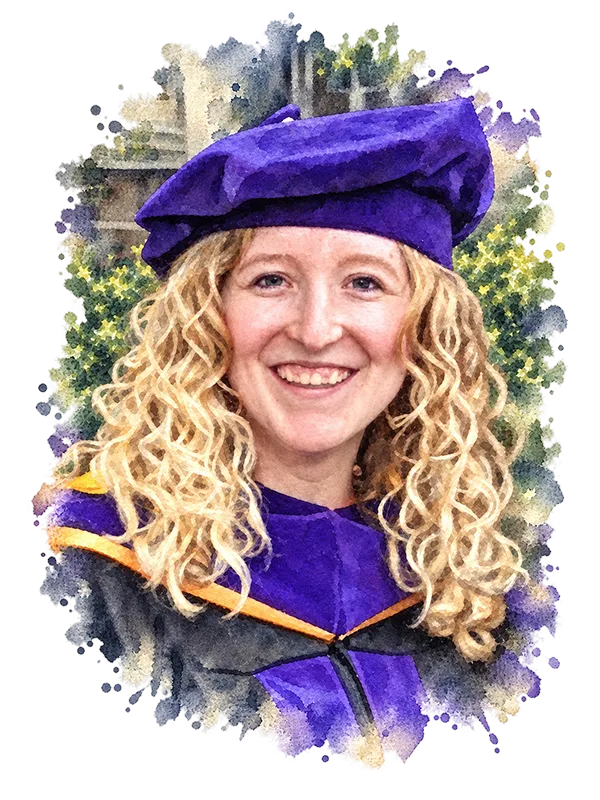
Rachael Sutherland, ’21, Managing attorney, Law Office of the Public Defender of New Mexico, Ruidoso office
While all public defenders face a lack of resources, our rural community has a severe lack of basic resources for our clients. We have no public transportation whatsoever, but our district courthouse and the detention center are a 45-minute drive down the mountain from the county’s main population center. Many clients become stranded upon release; it isn’t feasible for our office to transport every client, and it is especially heartbreaking when clients are forced to walk 10-plus hours because they have no other option. We also have no shelters or emergency housing in the county, nor any detox or substance use treatment centers.
Another challenge in rural New Mexico is that there are just not enough attorneys in the state to support the need for legal representation here. As a result, we are opening up limited positions for full-time remote attorney work in specific jurisdictions.
I first witnessed the immense amount of suffering in the system when I interned for the ACLU of Utah in college. Once you see what is happening on a daily basis, how can you do any other type of work?
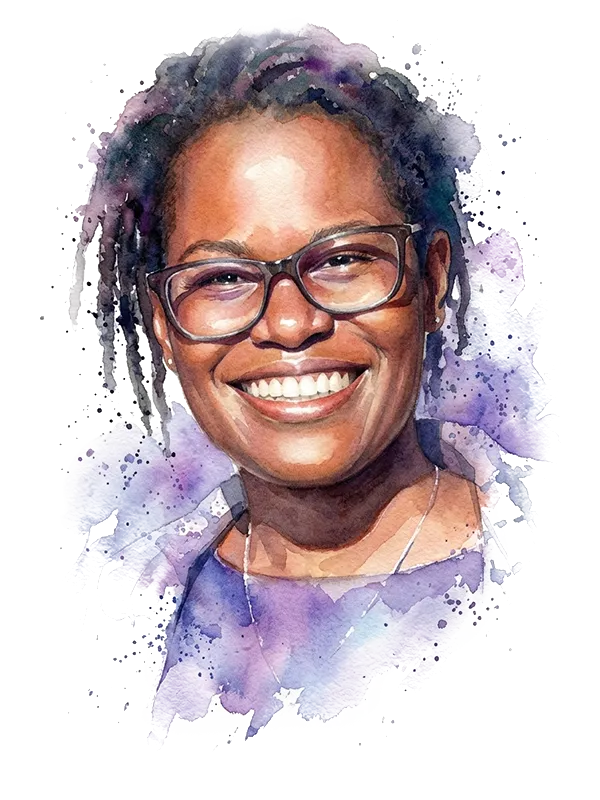
Tezira Abe, ’20, Assistant federal defender, Office of the Federal Public Defender for the District of Columbia
I think the best way to summarize why I do this work is that I have the honor and privilege of representing someone at what is often the lowest point of their life. Nothing makes me prouder than to hear a client tell me they’re happy with the way I told their story—whether it was at closing arguments or sentencing, or to the government during plea negotiations.